By Dianne Sindayen ✔ Reviewed by travel expert Ben Braude
Best Czech beers start with an argument the country has been winning since 1842. That was the year Pilsner was invented in Plzen, a moment that changed how most of the world drinks.
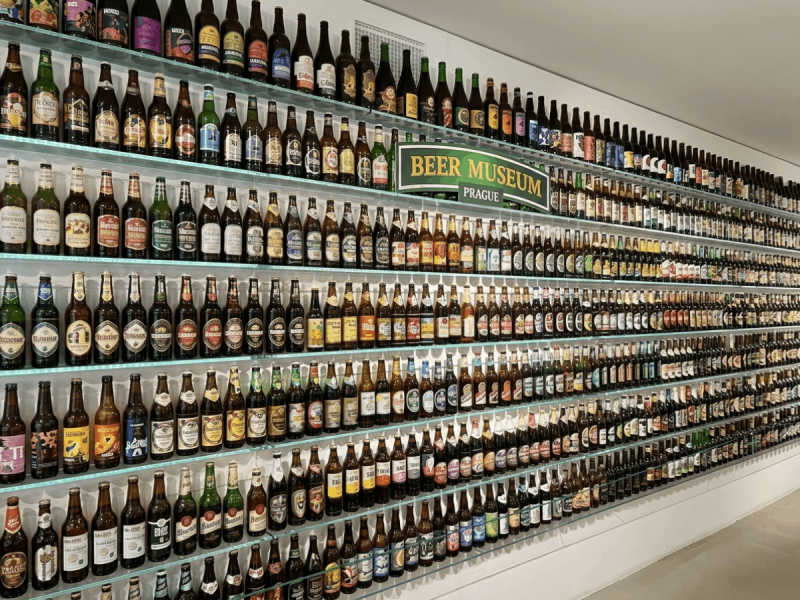
Czech brewing culture runs deeper than a single style, though. Dark lagers, unfiltered yeast beers, wheat beers, and a growing craft scene sit alongside the Pilsner tradition, and most of them are easier to find at the right temperature in Prague than anywhere else on earth.
The Czech Republic has the highest beer consumption per capita in the world. That is not a coincidence. It is the result of centuries of brewing infrastructure, protected ingredients, and a pub culture that treats the pour as seriously as the recipe.
Czech beer is best understood in the country that made it. No Czech beer tastes quite the same outside the country it was brewed in. Great Value Vacations handles the trip so you can find out for yourself.
Czech Beers at a Glance
| Beer | Style | ABV | Brewed In |
|---|---|---|---|
| Pilsner Urquell | Czech Pilsner | 4.4% | Plzen |
| Budejovicky Budvar | Czech Lager | 5.0% | Ceske Budejovice |
| Kozel Dark | Dark Lager | 3.8% | Velke Popovice |
| Cerna Hora Granat | Dark Lager | 4.8% | Cerna Hora |
| Bernard Unfiltered | Unfiltered Lager | 4.1% | Humpolec |
| Uneticke Pivo | Unfiltered Lager | 4.0% / 5.0% | Unetice |
| Primator Weizenbier | Wheat Beer | 5.0% | Nachod |
| Zatecky Pivovar Psenicne | Wheat Beer | 4.9% | Zatec |
| Matuska Brewery | Czech Craft (Mixed) | 4.5–6.5% | Broumy |
| Raven Brewing | Czech Craft (Dark Focus) | 5.0–8.0% | Prague |
What Makes Czech Beer Different From Every Other Brewing Tradition
Czech brewing is not a variation on a broader European tradition. It is the source of it. Several characteristics set it apart from everything that followed:
- The water in Plzen is almost uniquely soft. Low mineral content allows hop bitterness to come through cleanly without sharpness. Most brewing cities have had to adjust their recipes around water chemistry. Czech brewers built their entire tradition on top of it.
- Czech lager is served differently from anywhere else. The traditional pour is slow and deliberate, producing a thick, dense head that is considered part of the flavor, not a sign of a sloppy pour. The ratio of foam to beer is intentional.
- Freshness is treated as a non-negotiable standard. Czech brewers, particularly smaller regional ones, still operate on tight distribution radiuses. Beer is expected to reach the glass close to the date it was brewed, not weeks or months later.
- The brewing culture runs generationally. Many of the smaller regional breweries on this list have operated continuously for over a century, passing recipes and methods through families and towns rather than marketing departments.
- Lager here is not a base style waiting to be improved. In most countries, lager is the starting point that craft brewing moves away from. In the Czech Republic, it remains the highest expression of the brewer's craft.
1. Pilsner
Pilsner is the most widely produced beer style in the world and the one the Czech Republic invented. On October 5, 1842, a Bavarian brewer named Josef Groll produced the first batch at the Mestansky pivovar in Plzen using soft local water, Saaz hops from the Zatec region, and a bottom-fermentation technique he had brought from Bavaria. The result was clear, golden, and bitter in a way that no beer had been before. Within decades, the style had spread across Europe and eventually the world. Most of what the world calls lager is a direct descendant of what Groll brewed in Plzen that October.

Pilsner Urquell
Pilsner Urquell is the original. Every Pilsner-style beer in the world traces its lineage back to this brewery in Plzen. The name means "original source of Pilsner" in German, which is less a marketing claim than a statement of fact. The brewery still uses open fermentation vessels and lagering in horizontal tanks, methods most large commercial breweries abandoned decades ago in favor of faster, cheaper alternatives. The result is a beer that tastes noticeably different from versions produced elsewhere, with a pronounced bitterness from Saaz hops and a clean finish that does not linger.
Established: 1842
Where It's Brewed: Plzen, Bohemia
ABV: 4.4%
What It Tastes Like: Crisp and bitter with a grassy, floral hop character from Saaz hops. Slightly sweet malt base that balances the bitterness without dulling it.
Best Paired With: Svickova (beef sirloin in cream sauce), roast pork with dumplings, or aged Czech cheese
Budvar (Budweiser Budvar)
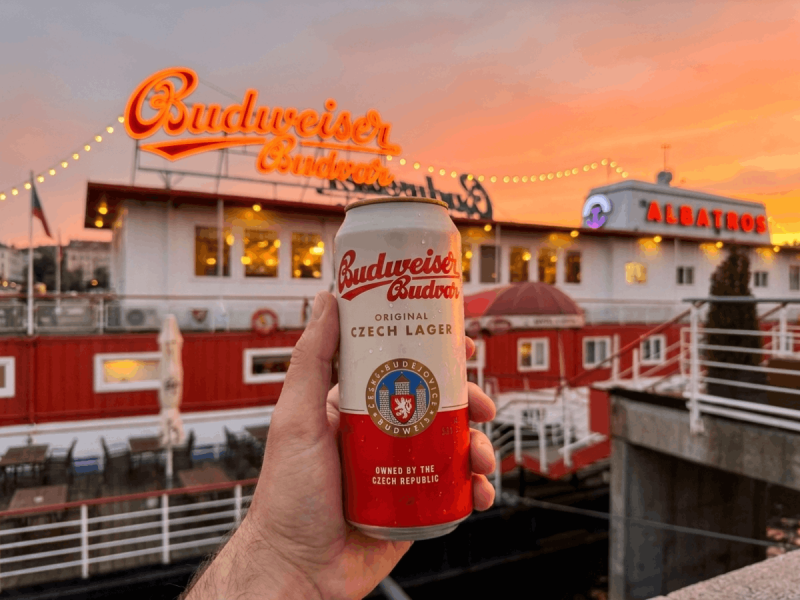
Budweiser Budvar is brewed in Ceske Budejovice, the city known in German as Budweis, which is where both the name and the long-running dispute with the American Budweiser brand originate. The two companies have been in a trademark disagreement since 1907, with the resolution varying by country. In most of Europe, the Czech version trades under the Budweiser name. In markets where the American brand holds the trademark, it is sold as Budvar or Czechvar. The beer itself is lagered for a minimum of 90 days, significantly longer than most commercial lagers, which produces a rounder, fuller flavor.
Established: 1895
Where It's Brewed: Ceske Budejovice, Bohemia
ABV: 5.0%
What It Tastes Like: Smooth and malt-forward with a mild bitterness and a long, clean finish. The extended lagering process gives it a depth that lighter commercial lagers do not have.
Best Paired With: Grilled meats, Czech goulash, or a plate of utopenec (pickled sausage)
2. Dark Lager (Tmave)
Dark lager, known in Czech as tmave, predates the Pilsner style and represents the older brewing tradition in Bohemia and Moravia. Where Pilsner is defined by bitterness and clarity, tmave is built on roasted malt character. It is deeper in color, lower in bitterness, and richer in flavor without crossing into the territory of a stout or porter. The style is often described as the most approachable of the Czech lager family. It is also the most commonly underestimated by visitors who assume dark means heavy.
Kozel Dark
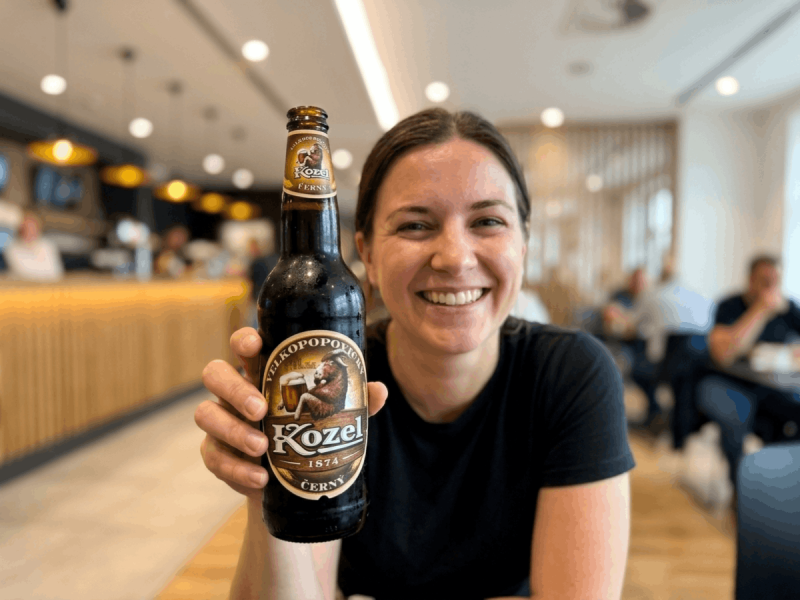
Kozel Dark is the most widely available Czech dark lager and the easiest entry point into the tmave style. Kozel as a brand is owned by Plzensky Prazdroj, the same group that produces Pilsner Urquell, but the dark lager has its own distinct character. It is brewed with a blend of pale, caramel, and roasted malts that produce a reddish-brown color and flavors of toffee, light chocolate, and bread. The bitterness is low, which makes it an easier drink than its color suggests. It is found on tap in most Prague pubs and is reliably consistent across different venues.
Established: 1874
Where It's Brewed: Velke Popovice, Central Bohemia
ABV: 3.8%
What It Tastes Like: Toffee and light chocolate with a mild roasted finish. Low bitterness, medium body, and a smooth pour that drinks closer to a session lager than a dark ale.
Best Paired With: Roast duck with red cabbage, pork knuckle, or smoked meats
3. Unfiltered (Kvasnicove)
Kvasnicove, or yeast beer, is Czech lager before the final filtration step. Breweries add a dose of fresh yeast to the finished lager before serving, which leaves the beer slightly hazy, gives it a fuller body, and adds a yeasty, bready character that filtered versions do not have. It is typically served only at the brewery or at select pubs with a direct supply relationship, as the live yeast makes it unstable for long transport and storage. For that reason, kvasnicove is one of the few beer styles that genuinely tastes better in the Czech Republic than anywhere else in the world.
Bernard Unfiltered
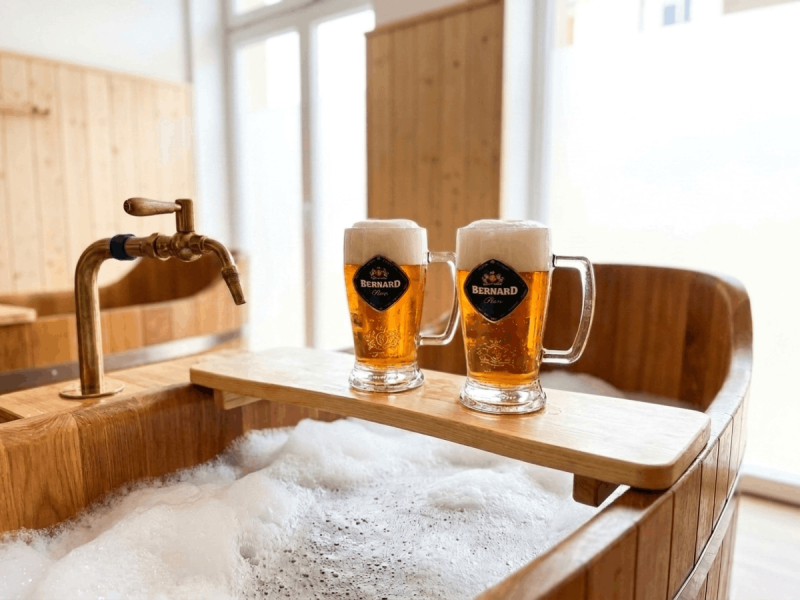
Bernard Unfiltered is produced by a family-owned independent brewery in Humpolec that has resisted acquisition by the major brewing groups since its founding. The unfiltered version of its flagship lager is served with live yeast, giving it a natural haze and a noticeably fuller mouthfeel than the filtered range. Bernard as a brewery positions itself on quality over volume, which is reflected in slower fermentation times and the use of whole-cone Saaz hops rather than hop extract. The unfiltered lager is the clearest expression of what that approach produces.
Established: 1597 (current ownership since 1991)
Where It's Brewed: Humpolec, Bohemia
ABV: 4.1%
What It Tastes Like: Bready and yeasty with a soft bitterness from whole-cone Saaz hops. Fuller body than a standard filtered lager, with a slightly cloudy pour and a fresh, doughy finish.
Best Paired With: Grilled chicken, soft Czech cheeses, or fresh bread with butter
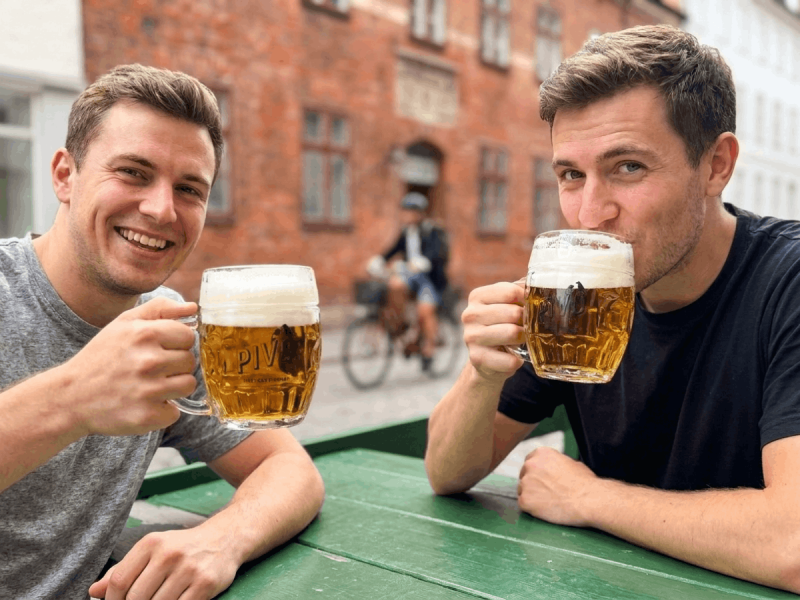
Uneticke Pivo
Uneticke Pivo comes from a small brewery in the village of Unetice, about 12 kilometers north of Prague. The brewery was revived in 2011 after decades of dormancy and has since become one of the most talked-about small producers in the country. Its 10 degree unfiltered lager is brewed in small batches and distributed only locally, which means the freshest version is always found closest to the source. The taproom in Unetice draws visitors from Prague specifically for the on-site pour, which differs noticeably from even the best pub serving of the same beer.
Established: 1710, revived 2011
Where It's Brewed: Unetice, Central Bohemia
ABV: 4.0% (10 degree) / 5.0% (12 degree)
What It Tastes Like: Light and delicate with a fine natural carbonation, soft bitterness, and a clean yeasty note that fades quickly. One of the most sessionable unfiltered lagers in the Czech Republic.
Best Paired With: Light fish dishes, fresh salads, or simply on its own at the brewery
4. Wheat Beer (Psenicne)
Wheat beer, known in Czech as psenicne, sits at the edge of the traditional Czech brewing canon. The country's brewing identity is built on lager, and wheat beer has always occupied a smaller, more experimental corner of the market. Czech wheat beers tend to be lighter and crisper than their German counterparts, with less of the banana and clove character associated with Bavarian Weizens. The style has grown in popularity since the early 2000s, partly driven by the craft movement, and now appears on tap at more Prague pubs than it did a decade ago.
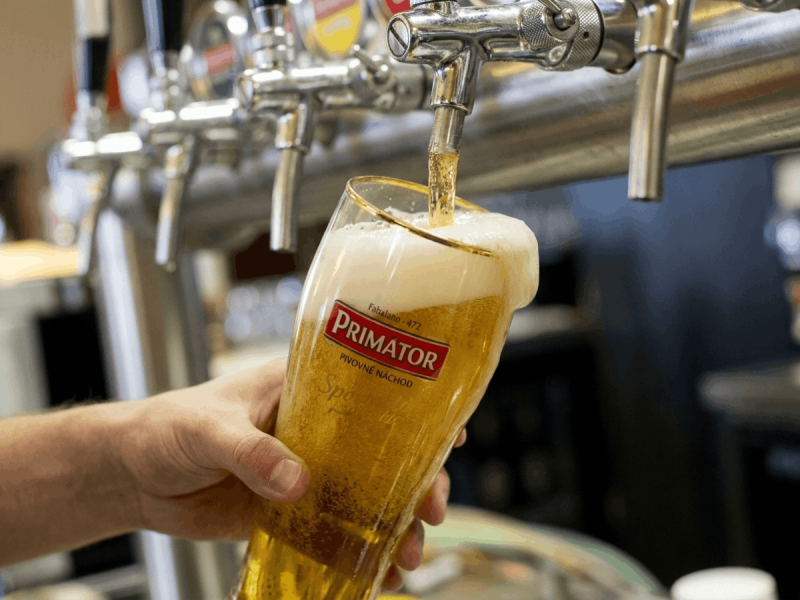
Primator Weizenbier
Primator Weizenbier comes from the Nachod brewery in northeastern Bohemia, an independent operation that has been producing a broader range of styles than most Czech breweries since the 1990s. The Weizenbier was one of the first Czech-brewed wheat beers to gain consistent distribution and remains one of the most reliable examples of the style produced domestically. It follows the German wheat beer tradition more closely than some Czech interpretations, with a proper proportion of wheat malt and a yeast strain that produces moderate fruit and spice character without overpowering the base beer.
Established: 1348
Where It's Brewed: Nachod, Bohemia
ABV: 5.0%
What It Tastes Like: Soft and slightly cloudy with gentle notes of banana and clove, a light citrus edge, and a smooth carbonation that makes it one of the more refreshing options in the Czech wheat beer category.
Best Paired With: Grilled fish, light salads, or lemon-dressed dishes
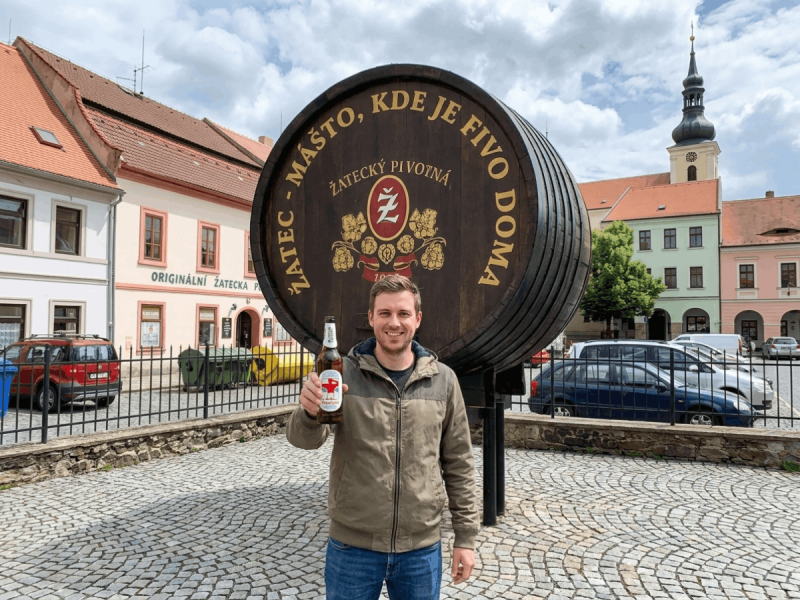
Zatecky Pivovar Psenicne
Zatecky Pivovar Psenicne comes from the town of Zatec, the center of Czech hop cultivation and the source of the Saaz hops that define the Pilsner style. The brewery sits in the middle of the hop-growing region, which gives it direct access to the freshest ingredients in the country. The wheat beer benefits from that proximity. Saaz hops in a wheat beer produce a different character than in a Pilsner, with the floral and herbal notes coming through more gently against the soft wheat base, making it one of the more distinctly Czech expressions of the style.
Established: 1801
Where It's Brewed: Zatec, Bohemia
ABV: 4.9%
What It Tastes Like: Floral and gently herbal from Saaz hops, with a soft wheat body, light citrus, and a crisp finish. Less fruity than German wheat beers and more hop-forward than most Czech examples.
Best Paired With: Seafood, soft goat cheese, or fresh vegetable dishes
5. Craft
Czech craft brewing is recent by the country's standards. The movement began gaining serious traction around 2010 and has grown to over 500 registered breweries, most of them small, independent, and operating outside the distribution networks of the major groups. Czech craft brewers work across a wider range of styles than the traditional lager-focused industry, though many still anchor their range in Czech lager traditions before exploring IPAs, stouts, and experimental fermentations. The best of them are worth a specific visit, not just a pint at whatever bar happens to stock them.
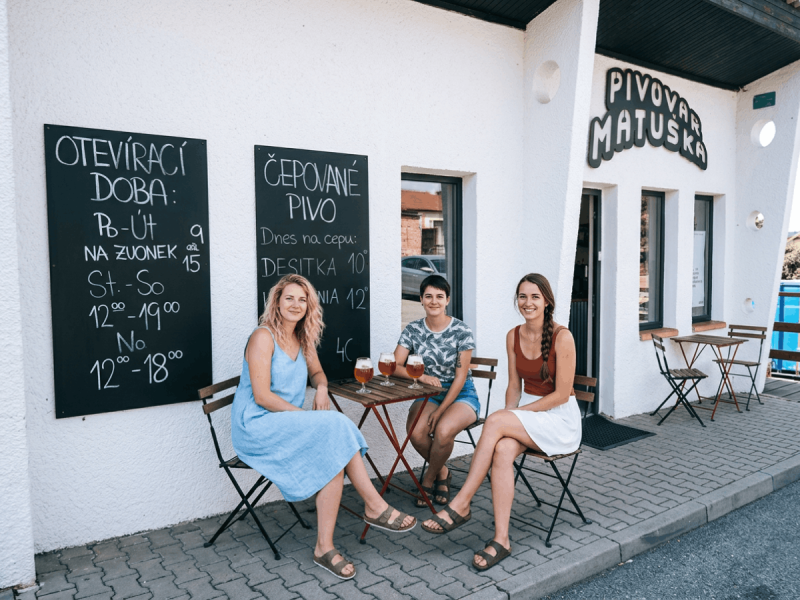
Matuska Brewery
Matuska Brewery is a family-run operation in Broumy, a small village in Central Bohemia, founded by Martin Matuska in 2009. It was among the first Czech craft breweries to gain serious recognition outside the country and remains one of the most respected small producers in the region. The range covers Czech lager styles alongside IPAs, pale ales, and seasonal releases, all brewed on a small scale with ingredients sourced as locally as possible. The Matuska Raptor IPA was one of the first Czech-brewed IPAs to demonstrate that the style could work with Saaz hops without losing its identity.
Established: 2009
Where It's Brewed: Broumy, Central Bohemia
ABV: Varies by beer; core range runs from 4.5% to 6.5%
What It Tastes Like: The Czech lager range is clean and precise. The IPA range uses Saaz and New World hops in combination, producing beers that sit between the Czech and American traditions rather than copying either.
Best Paired With: Burgers, spiced dishes, or aged hard cheeses
Raven Brewing
Raven Brewing (Pivovar Raven) is one of the few craft breweries operating within Prague itself, making it one of the more accessible on this list for visitors who are not planning a day trip out of the city. Founded in 2014 in the Zizkov district, Raven built its reputation on darker styles at a time when most Czech craft breweries were still orienting around lager. The stouts and porters here are taken seriously, with recipes that draw on British and Baltic traditions while staying grounded in Czech brewing sensibility. The taproom is small and unpretentious, which fits the neighborhood. Visiting this delicious brewery is a perfect addition to enjoying other great things to do in Prague.
Established: 2014
Where It's Brewed: Zizkov, Prague
ABV: Varies by beer; stouts and porters typically range from 5.0% to 8.0%
What It Tastes Like: Dark fruit, roasted malt, and a bitter finish that lingers without being aggressive. The lighter seasonal offerings are clean and approachable, but the dark range is where Raven is at its best.
Best Paired With: Roasted meats, mushroom dishes, strong hard cheeses, or dark chocolate desserts
You've Read the List. Now Go Drink It.
Czech beer holds its reputation not through marketing but through consistency. The same brewing methods, the same regional hops, the same commitment to conditioning time, applied across centuries and still producing results that the rest of the world has not managed to close the gap on. The beers on this list are a starting point, not a definitive ranking. Spend enough time in Prague and the surrounding regions and you will find regional pours, seasonal releases, and taproom-only batches that do not appear on any list.
The most important thing to know before you go is that Czech beer is best experienced close to where it is brewed. A Pilsner Urquell at the source in Plzen, a Uneticke poured straight from the tank in Unetice, a Raven stout at the taproom in Zizkov. None of these travel well, and none of them need to. That is part of the point.
Ready to drink your way through the list in person? Great Value Vacations offers Prague tour packages that give you the time and flexibility to explore the city's brewery bars, regional taprooms, and the Pilsner Urquell source in Plzen.
VIEW CZECH REPUBLIC VACATION PACKAGES