By Melissa Pallotti ✔ Reviewed by travel expert Ben Braude
Published on Oct 15, 2025 Last Updated on Feb 17, 2026
Trying to find the perfect city to travel to can be difficult, especially if you want to see what a country is all about outside of all of the tourist hotspots.
Portugal is a beautiful country in Europe known for its history–especially with its famous explorers–marvelous beaches, delicious cuisine, and vibrant cities.

While Lisbon and Porto are the most popular cities to visit in Portugal, Coimbra lies in between them and is a hidden gem to tourists. For those who are traveling between Portugal's two major cities, a day trip (or two!) to Coimbra can be worthwhile in your travels across the country for its deep-rooted history in its oldest university, and its preserved medieval architecture and cultures.
In this article, we'll talk about how Coimbra is a hot spot for all types of travelers looking for an authentic look into the Portuguese lifestyle. We'll discuss Coimbra and how it is worth visiting with a detailed focus on the following topics:
- Coimbra as a must-see stop for those traveling between the two major cities
- The appeal to niche audiences, such as history buffs and culture lovers
- What Coimbra offers in spring, summer, fall, and winter

Step Into Coimbra's Story: A City of Culture and Legacy
Coimbra is one of those cities that feels like stepping into a storybook. Nestled along the Mondego River, it has been at the center of Portugal's history for centuries and still carries that legacy today. From its time as a medieval capital to its world-renowned university, Coimbra has always played an important role in shaping Portuguese identity. But what makes it truly special is that its history isn't locked away in museums—it's right there in its streets, monuments, and traditions.
If you love exploring places with real depth—where culture and history come alive—Coimbra is a destination that won't disappoint. Here are just a few reasons why history buffs and culture lovers are drawn to this unforgettable city.
Coimbra as Portugal's Former Capital
Before Lisbon became the capital, Coimbra was at the heart of Portugal from 1139 to 1255. During that time, it was the political and royal center of the country, and you can still see traces of its grandeur today. The Monastery of Santa Cruz, where Portugal's first kings are buried, stands as one of the city's most iconic landmarks. Walking through Coimbra's old town, with its mix of medieval architecture and cobblestone streets, you really get a sense of its importance in Portugal's early days.
The University of Coimbra: A UNESCO Treasure
Coimbra is perhaps best known for its University of Coimbra, founded in 1290 and recognized as one of the oldest in Europe. The university's Baroque Joanina Library is especially breathtaking—often described as one of the most beautiful libraries in the world. With its gilded woodwork, painted ceilings, and shelves stacked with centuries-old books, it feels like stepping into a different era. Even just wandering the university courtyards and halls makes you feel connected to the generations of students who studied here.
With centuries of academic tradition behind it, many students here navigate a mix of research, written assignments, and scholarly exploration that can be as demanding as it is enriching. For those balancing heavy workloads or unfamiliar formats, a reliable university paper writing service can offer structured support and clarity during intense academic periods.
Roman and Medieval Roots
Coimbra's history stretches back even further than its royal or academic days. The city was once a Roman settlement called Aeminium, and today you can still see part of its past at the Machado de Castro National Museum, which sits above an impressive set of Roman ruins. Pair that with the medieval lanes that wind their way up the hillside, and you'll quickly see how Coimbra's different eras are stacked on top of each other, creating a fascinating cityscape for visitors to explore.
Culture Alive: Fado and Festivals
What makes Coimbra even more engaging is that its culture is still alive and well. The city has its own style of fado music, performed by students in traditional black cloaks, which creates an atmosphere you can't find anywhere else in Portugal. Coimbra also celebrates its traditions through events like Queima das Fitas, a lively student festival full of parades, music, and color. These experiences give visitors the chance to not only learn about Coimbra's history but also feel the heartbeat of the city today.

Coimbra: The Unmissable Stop on Portugal's Travel Corridor
What makes Coimbra worth visiting? Here are the top spots to visit while you're there!
When traveling between Lisbon and Porto, it can be tempting to focus all your energy on Portugal's two biggest cities. But nestled right between them is Coimbra, a city that many travelers pass by without realizing how much it has to offer. With its mix of deep history, vibrant culture, and stunning riverside views, Coimbra is more than just a stopover — it's a destination worth savoring.
Here are the top reasons why Coimbra is an unmissable stop on your Portugal journey.
1. A City of Living History
Coimbra isn't just another old European city — it's one where history lives and breathes in everyday life. From its role as Portugal's former capital to its long academic traditions, Coimbra carries a legacy you can feel just by walking its cobbled streets.
Unlike Lisbon or Porto, Coimbra's monuments don't just draw crowds for photos; they tell stories that have shaped the country. The University of Coimbra, with its stunning Joanina Library, is a UNESCO World Heritage site and one of the oldest universities in the world. Exploring its courtyards and ancient halls gives you a glimpse into the city's centuries-long role as Portugal's intellectual center.
And it's not just the university. Coimbra is filled with historical treasures: the Monastery of Santa Cruz, resting place of Portugal's first kings; the Old Cathedral (Sé Velha), a fortress-like Romanesque masterpiece; and the Roman ruins of Conímbriga, just outside the city, offering one of the best-preserved glimpses of Roman life in the Iberian Peninsula. For history buffs, Coimbra is the perfect blend of grand landmarks and hidden corners that tell Portugal's story.
2. The Unique Sound of Fado de Coimbra
Many travelers know about fado, Portugal's soulful style of music, often associated with Lisbon. But Coimbra has its own version of fado —and it's unlike anything else you'll hear in the country.
Fado de Coimbra is traditionally performed by male students or former students of the university, dressed in black cloaks. Instead of being sung in crowded taverns, it's usually performed in more intimate settings, often outdoors, beneath windows or in courtyards. The lyrics tend to be more academic, poetic, or even romantic in nature, reflecting student life and Coimbra's cultural traditions.
Experiencing fado here feels authentic and deeply tied to the city's soul. You're not just hearing a concert — you're hearing centuries of tradition, passed down from one generation of students to the next. For culture lovers, a night of fado in Coimbra is a must.
3. The Buzz of Student Traditions
As a university town, Coimbra has a youthful energy that sets it apart from other historic cities. The students here bring life to the streets, not just through daily activity but also through vibrant traditions.
One of the most famous is Queima das Fitas, a massive week-long festival held every May to celebrate the end of the academic year. With parades, concerts, and processions, it's a spectacle of student pride and Portuguese culture. Even if you visit at another time of year, you'll often see students in their distinctive black academic robes, which inspired J.K. Rowling's design for Hogwarts uniforms.
These traditions make Coimbra feel alive in a way that's hard to replicate elsewhere. It's a city where history is honored but also carried forward by each new generation of students.

4. Riverside Beauty Along the Mondego
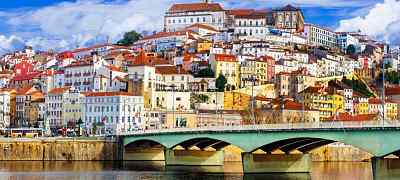
Coimbra is a city that owes much of its charm to its setting along the Mondego River. The river divides the city, with the historic university quarter rising high above the water on one side. From the riverbanks, you can capture some of the best panoramic views of Coimbra's layered skyline, especially at sunset when the golden light hits the terracotta rooftops.
For a more relaxed experience, you can take a boat ride on the Mondego, stroll along its gardens and walking paths, or simply sit with a coffee and watch the city flow by. The river gives Coimbra a romantic, peaceful feel that adds to its uniqueness.
5. Food and Flavors You Won't Forget
Portugal is a foodie's dream, and Coimbra has its own local specialties that make it stand out. One of the most famous dishes from the region is chanfana, a rich goat stew slow-cooked in red wine, garlic, and herbs. It's hearty, flavorful, and tied to centuries of rural tradition.
Coimbra is also known for its convent sweets, many of which were created by nuns in local monasteries. Pastries like pastéis de Santa Clara and arrufadas (a type of sweet bread) are treats you won't want to miss. Pair these with a strong Portuguese coffee, and you've got the perfect afternoon break.
Dining in Coimbra also has an extra charm because many restaurants are tucked into historic buildings or overlook the river, making every meal feel like part of the cultural experience.
6. Gardens, Parks, and Outdoor Spaces
If you need a break from history and sightseeing, Coimbra has plenty of green spaces to recharge. The Botanical Garden of the University of Coimbra is one of the oldest in the world, founded in the 18th century, and offers peaceful paths filled with exotic plants and shady trees.
Families especially love the Portugal dos Pequenitos, a miniature park with scaled-down replicas of Portuguese monuments and houses — a playful yet educational way to explore the country's history. And for simple relaxation, the riverside parks and gardens are perfect for picnics, walks, or just soaking in Coimbra's natural beauty.
7. Day Trips Beyond the City
One of the biggest advantages of Coimbra's location is how many incredible places you can explore nearby. The Roman ruins of Conímbriga are a short trip away and offer some of the most impressive mosaics and archaeological remains in Portugal.
You can also visit Bussaco Forest, a mystical woodland filled with exotic trees, chapels, and the fairytale-like Bussaco Palace Hotel. It feels worlds away from the bustle of the city. For those interested in exploring Portugal's religious heritage, the Monastery of Santa Clara-a-Velha and Santa Clara-a-Nova on Coimbra's opposite riverbank tell moving stories of faith and resilience.
These excursions make Coimbra not just a destination in itself but also a gateway to some of central Portugal's most memorable experiences.
8. A City Less Crowded, More Authentic
Perhaps one of the best reasons to visit Coimbra is that it still feels authentic. Unlike Lisbon or Porto, which can sometimes be crowded with international tourists, Coimbra retains a more local vibe. The city is busy with students and residents going about daily life, which gives travelers a more genuine taste of Portuguese culture.
Wander through the old town, stop at a café for a coffee and pastry, and you'll quickly notice how different the pace feels here. Coimbra isn't about rushing from one tourist attraction to the next — it's about slowing down and appreciating a side of Portugal that's steeped in history but still very much alive.

Year-Round Beauty: How Coimbra Changes with the Seasons
The change of the seasons can provide new experiences you can only experience during a specific time of year!
One of Coimbra's best qualities is that it's worth visiting any time of year. Each season offers something different, from lively student festivals to quiet river walks, making the city a rewarding stop no matter when you go.
Spring: Festivals and Fresh Blooms
Spring is one of the most vibrant times to visit Coimbra. The city comes alive with color, from blossoming gardens to bustling student traditions.
- Queima das Fitas (May): Coimbra's legendary student festival, filled with parades, concerts, and processions.
- Botanical Garden in Bloom: The University's 18th-century gardens look especially beautiful this time of year.
- Mild weather makes it perfect for strolling along the Mondego River.
Summer: Sunshine and Outdoor Living
Summer brings long days and warm evenings, ideal for enjoying Coimbra's outdoor spaces and riverfront views.
- Outdoor Fado Performances: Hear Fado de Coimbra in atmospheric courtyards or open-air stages.
- River Activities: Boat rides and riverside picnics are especially popular in July and August
- Café terraces buzz late into the evening, giving the city a festive energy.
Fall: Golden Light and Academic Traditions
As students return, Coimbra takes on a renewed sense of energy and tradition in the fall.
- Latada festival (October): A student festival where new freshmen are “baptized” in the Mondego and parades fill the streets.
- Crisp weather and fewer crowds make it ideal for sightseeing and exploring Roman ruins.
- The fall foliage adds warmth and beauty to Coimbra's hillsides.
Winter: Quiet Charm and Holiday Spirit
Winter offers a slower, more intimate side of Coimbra, with cozy cafés and festive traditions.
- Christmas Markets: Holiday lights and markets bring cheer to the city center.
- Indoor Treasures: Perfect season for exploring the Joanina Library, museums, and cathedrals without crowds.
- Cooler weather makes hearty dishes like chanfana especially comforting.
Why Coimbra Belongs on Your Portugal Itinerary
Whether you visit in the festive bloom of spring, the lively warmth of summer, the golden traditions of fall, or the cozy calm of winter, Coimbra offers experiences you won't find anywhere else when you vacation in Portugal. Its blend of history, student culture, music, and riverside beauty makes it more than just a stop between Lisbon and Porto — it's a destination that stands proudly on its own.
If you're looking for a city that combines rich heritage with authentic local life, Coimbra is waiting to surprise you. Add it to your itinerary, and you'll discover why so many travelers consider it Portugal's true hidden gem.