The Best Times to See the Northern Lights in Iceland

By Soren Rivero Reviewed by travel expert Ben Braude


You've always wanted to see the Northern Lights in person, haven't you? These magical natural wonders are only visible from specific places on Earth, and Iceland is one of those lucky places.

Chasing these dancing displays of light should definitely be on your travel bucket list. If you need some help, this guide will highlight what is the best time to see the Northern Lights in Iceland.
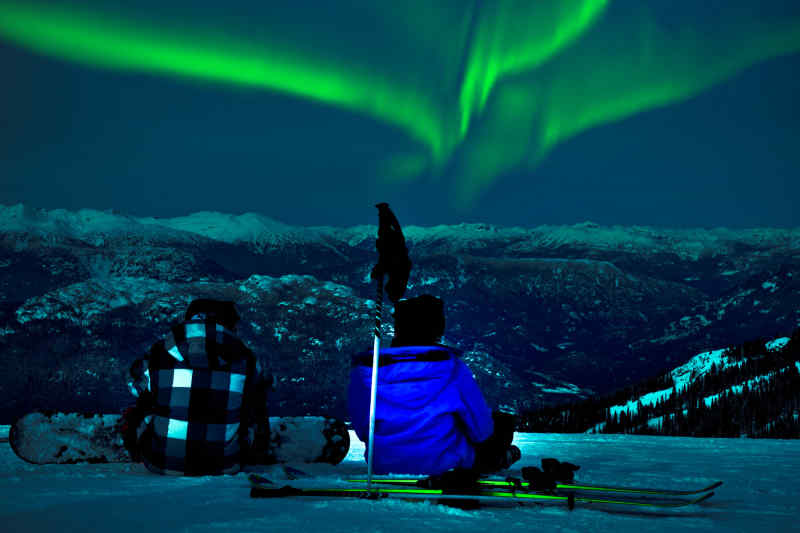
Start exploring with our Iceland vacation packages, many of which include a Northern Lights tour!


Finding the Northern Lights in Iceland

Iceland is one of the best places to visit to see the Northern Lights across the globe. Between the cool and clear skies and the excellent location, it's almost guaranteed that you'll see a glimpse of this natural wonder during your trip to Iceland.

That doesn't necessarily mean that the Northern lights are 100% visible from every part of Iceland. To increase your chances at seeing the Northern Lights, try to stray away from more heavily populated areas, especially those with a high light pollution.

Leave behind more populated areas like Reykjavík, where streetlights can wash out the aurora. Rural regions, such as the Snæfellsnes Peninsula, Westfjords, or Þingvellir National Park, offer much darker skies. The darker, clearer skies, the higher chance you have of seeing them!

On tours: Yes, they're great, and definitely the preferred option if you'd rather an easier, guided option. However, you can also see them on your own! One way you can do so is by being mobile. Renting a car gives you the freedom to chase clear skies and escape cloudy areas at a moment's notice. So if your planned timing falls on a night where it's cloudy and rainy, you can always adjust your schedule and go another time!

It's also recommended to stay up late and be patient when you plan to chase the Northern Lights. The aurora is notoriously unpredictable. Bundle up, bring snacks, and be prepared to wait — your persistence will pay off with an unforgettable light show.

Consider a vacation in Iceland with a rental car so you can self-drive and find the perfect viewing spot on your own! An even better option is to rent a campervan so you can sleep anywhere under the magical northern lights. Cozy Campers offers great options to choose from.

You can also check out our guide to the best places to see the Northern Lights in Iceland.


The Best Months to See the Northern Lights

Timing is just as important as location when it comes to chasing the Northern Lights. It's quite unlikely to spot a good view during Iceland's summer months, but thankfully, the season is rather short and only lasts between June and September.

The rest of the year promises much better chances, making the best months to see the Northern Lights in Iceland between September and April. Mid-winter is especially great for viewing as the clearer, much darker skies create the perfect canvas for the light. Just be prepared to brave the cold!

To increase your chances even more, consider aiming your trip to Iceland around the autumnal equinox in September or the vernal equinox in March. These dates have historically shown the highest Northern Lights activity across the past few decades.


The Best Time of Day to See the Northern Lights

Ideally, you'll want to head out to somewhere isolated (with clear skies and good weather) around 11:00PM - 3:00AM. These are the darkest hours of the night, which create the perfect opportunities to see the Northern Lights. Make sure you're far from city lights in a remote location with clear skies and stable weather conditions, as light pollution and cloud cover can easily obscure the view.

While the peak hours offer the best visibility, it's worth noting that during certain times of the year, especially in the high Arctic, you might catch the aurora as early as dusk, when twilight begins to fade. Patience and preparation are key, but the reward is an unforgettable natural spectacle.


Check Aurora Forecasts

Before heading out to see the Northern Lights, you might want to consider reading up on the aurora forecasts, as these help you know when and where you're most likely to see them. In Iceland, the Icelandic Meteorological Office provides a reliable and user-friendly forecast that combines aurora activity (KP index) with cloud cover predictions.

KP Index (0–9): This number measures geomagnetic activity. The higher the number, the stronger the aurora. A KP of 3 or higher is usually enough for visible Northern Lights in Iceland.

Cloud Cover Map: Even with strong aurora activity, you won't see anything through thick clouds. Look for areas marked with low cloud coverage (white or light green) for the clearest skies.

Green Bands on the Map: These indicate where aurora activity is likely strongest. Position yourself in these regions under clear skies for the best chance.

Curious about seeing the Northern Lights in Iceland? Check out our affordable vacation packages to Iceland, many of which include Northern Lights tours!

View Iceland Vacation Packages

Create Account

The contact email is associated with an existing account, please sign in to continue.
If you have a password, you can use it below. Otherwise, just use your email address and reservation number to login. If you don't have an account, you can create one today.